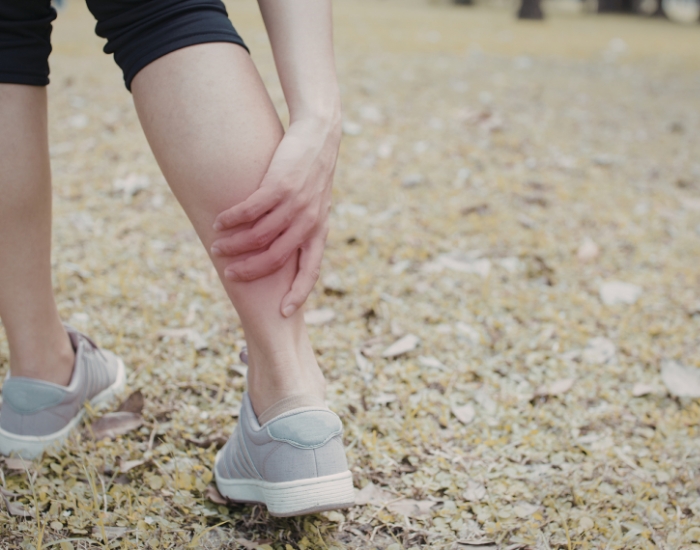
A sensation of heaviness in the legs during walking is often subtle at first—but it can significantly impact mobility over time. Many individuals describe it as a dragging or weighted feeling that makes even short distances feel more demanding than they should.
While commonly attributed to fatigue or overuse, this symptom is increasingly recognized as a potential sign of circulatory inefficiency. Understanding its cause is essential for early intervention and improved long-term outcomes.
This article explores why heavy legs occur during walking and how counterpulsation therapy (EECP) is being used as a non-invasive option to support circulation and restore functional movement.
What Does “Heavy Legs” Feel Like?
Patients often describe the sensation as:
- A feeling of weight or pressure in the legs
- Difficulty lifting or moving the legs comfortably
- Sluggish movement during walking
- Increased effort required for short distances
Unlike sharp pain, heaviness is often dull and persistent, making it easy to overlook in the early stages.
The Circulation Connection
Walking requires efficient blood flow to deliver oxygen to the muscles. When circulation is reduced, the muscles may not receive adequate oxygen, leading to a sensation of heaviness and fatigue.
This can result from:
- Reduced arterial blood flow
- Inefficient venous return
- Increased pressure within the lower extremities
- Decreased oxygen delivery to muscle tissue
From a physiological standpoint, heavy legs are often a reflection of impaired vascular performance.
Why This Symptom Matters
Because heaviness develops gradually, many individuals adapt by reducing activity levels. However, this can lead to a cycle of:
- Decreased physical conditioning
- Reduced circulation efficiency
- Worsening symptoms over time
Early recognition allows for intervention before mobility and quality of life are significantly affected.
Common Contributing Factors
Several factors may contribute to heavy legs during walking:
- Poor blood circulation
- Sedentary lifestyle
- Prolonged sitting or standing
- Chronic vascular conditions
- Aging-related changes in blood vessels
These factors often overlap, making it important to evaluate symptoms in a broader health context.
Traditional vs. Modern Approaches
Traditional management may include lifestyle changes, compression therapy, medications, and in some cases, procedural interventions.
However, there is growing interest in non-invasive therapies that aim to improve circulation naturally and support overall vascular function.
These approaches focus on:
- Enhancing blood flow
- Improving oxygen delivery
- Supporting muscle performance
- Increasing walking capacity
Counterpulsation Therapy: Improving Blood Flow to the Legs
Counterpulsation therapy (EECP) is a non-invasive treatment designed to enhance circulation throughout the body, including the lower extremities.
The therapy involves:
- Sequential compression of the legs
- Synchronization with the heart’s rhythm
- Promotion of efficient blood flow back toward the heart
Over time, this process may:
- Improve arterial and venous circulation
- Enhance oxygen delivery to leg muscles
- Reduce heaviness and fatigue during walking
- Increase endurance and mobility
From a functional perspective, EECP supports the body’s ability to move more efficiently with less effort.
Clinical Observations and Patient Outcomes
Although counterpulsation therapy is primarily used in cardiovascular care, its benefits extend to overall circulation.
Patients often report:
- Reduced heaviness in the legs
- Improved walking distance
- Increased daily activity levels
- Better overall comfort during movement
While individual results vary, these improvements highlight the importance of circulation in maintaining mobility.
The Patient Experience
EECP therapy offers several practical advantages:
- Completely non-invasive
- No anesthesia or surgical procedures
- Comfortable outpatient sessions
- No recovery downtime
This makes it an appealing option for individuals seeking effective support without invasive treatment.
When to Seek Medical Evaluation
Heavy legs during walking should be evaluated when it:
- Occurs consistently or worsens over time
- Limits walking distance or daily activities
- Is accompanied by swelling, numbness, or fatigue
- Does not improve with rest or lifestyle changes
Early evaluation helps identify underlying causes and appropriate treatment options.
A Patient-Focused Approach to Circulation
At Emma Clare Med Spa, counterpulsation therapy is offered as part of a comprehensive approach to improving circulation and overall wellness.
The approach includes:
- Personalized consultations
- Evaluation of symptoms and mobility goals
- A comfortable and supportive environment
- Integration with broader health strategies
This reflects a modern healthcare model focused on restoring function, comfort, and quality of life.
The Future of Mobility and Circulation Care
Healthcare is increasingly focused on helping patients move better and live more actively. Addressing symptoms like heavy legs through improved circulation represents a meaningful step toward achieving these goals.
Non-invasive therapies such as EECP are part of this evolving landscape—offering accessible solutions that prioritize both effectiveness and patient experience.
Final Thought
Heavy legs while walking are not simply a sign of tiredness—they are often a signal of underlying circulatory inefficiency.
Recognizing this early and exploring appropriate treatment options can help restore mobility, improve endurance, and enhance overall well-being.
Disclaimer: This content is for informational purposes only and does not constitute medical advice, diagnosis, or treatment. Counterpulsation therapy (EECP) is not a substitute for emergency care or standard medical treatment. Individuals experiencing severe leg symptoms or sudden changes should seek medical attention promptly. Always consult a qualified healthcare provider to determine the most appropriate care for your condition.