Understanding Acne Scar Removal, Collagen Stimulation, Skin Texture Improvement & Non-Surgical Skin Rejuvenation
Many people struggle with acne scars long after active acne has disappeared and wonder what treatment can improve rough texture, uneven skin, enlarged pores, and facial scarring without surgery. Acne scars may affect confidence and skin appearance for years because the skin’s collagen structure becomes damaged during the healing process. Fortunately, modern non-surgical skin rejuvenation treatments such as RF microneedling, collagen stimulation therapies, and skin resurfacing procedures may help improve acne scars gradually by supporting healthier skin remodeling beneath the surface.
Table of Contents
- What Causes Acne Scars?
- Different Types of Acne Scars
- Why Acne Scars Are Difficult to Treat
- Best Non-Surgical Treatments for Acne Scars
- RF Microneedling for Acne Scars
- How Collagen Stimulation Helps Acne Scars
- Can Skin Texture Improve Over Time?
- How Many Sessions May Be Needed?
- Downtime and Recovery
- Who Is a Good Candidate?
- FAQs About Acne Scar Treatments
- Disclaimer
What Causes Acne Scars?
Acne scars form when inflammation from acne damages the skin and underlying collagen structure. During the healing process, the skin may produce too little or too much collagen, leading to uneven texture and visible scarring.
Acne scars are more likely to develop when:
- Acne inflammation is severe
- Pimples are picked or squeezed
- Breakouts occur deeply beneath the skin
- Healing is delayed
- Collagen repair becomes uneven
Many people continue experiencing acne scars even after acne itself has resolved, especially on the cheeks, forehead, jawline, and temples.
Patients exploring collagen-focused rejuvenation often research RF microneedling radio frequency treatment, skin rejuvenation and exfoliation treatments, and anti-aging treatments in Stafford TX to improve overall skin texture and collagen support.
Different Types of Acne Scars
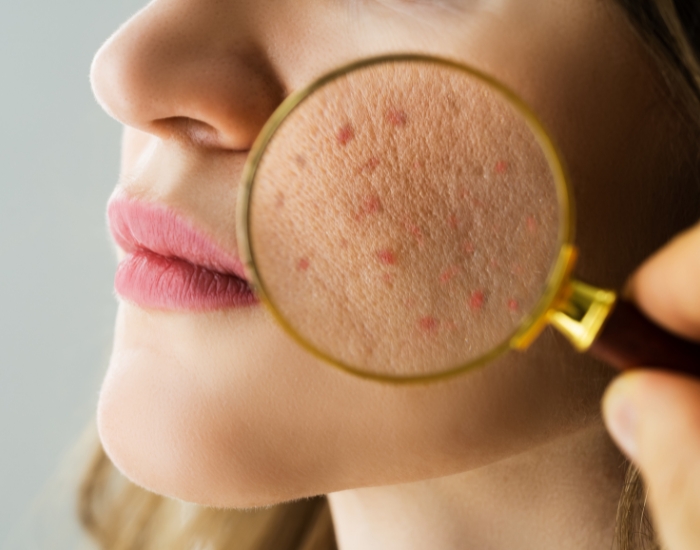
Acne scars may appear differently depending on how the skin healed after inflammation. Some scars create depressions in the skin, while others may appear raised or discolored.
Common acne scar types include:
- Ice pick scars
- Boxcar scars
- Rolling scars
- Post-inflammatory pigmentation
- Textural irregularities
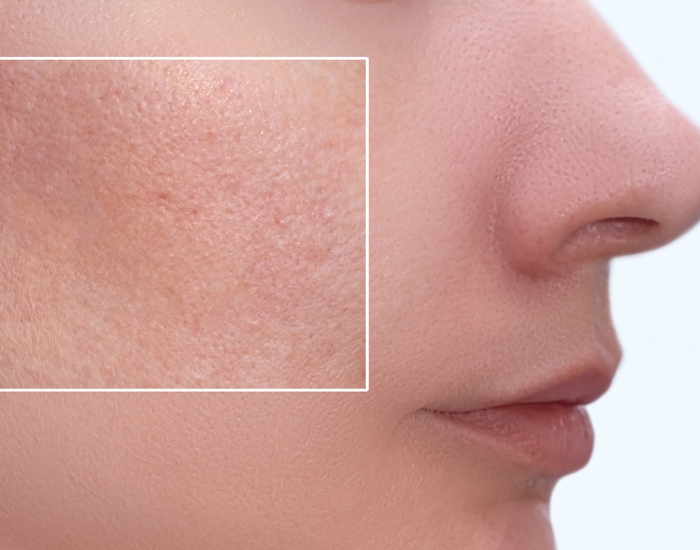
- Enlarged pores
The type and severity of acne scars often influence which treatment options may be most effective.
Why Acne Scars Are Difficult to Treat
Acne scars are challenging because they involve structural collagen damage beneath the skin. Surface skincare products alone may not fully improve deeper scars because the underlying tissue has changed during healing.
Successful acne scar improvement often focuses on:
- Collagen remodeling
- Skin resurfacing
- Texture improvement
- Controlled skin stimulation
- Long-term collagen support
Professional treatments may help trigger healthier collagen production and smoother skin remodeling over time.
Best Non-Surgical Treatments for Acne Scars
Several non-surgical treatments may help improve acne scars depending on skin type, scar depth, collagen levels, and texture concerns.
Common acne scar treatment options may include:
- RF microneedling
- Microneedling
- Skin resurfacing
- Collagen stimulation therapies
- Chemical exfoliation treatments
- Laser rejuvenation in selected cases
- Medical-grade skincare
The best approach often depends on the type of acne scars and overall skin condition.
RF Microneedling for Acne Scars
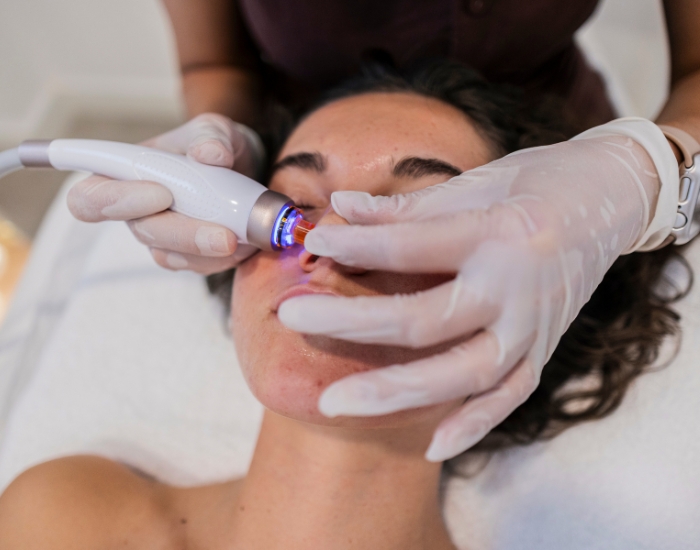
RF microneedling has become one of the most popular non-surgical treatments for acne scars because it combines microneedling with radiofrequency energy to stimulate collagen beneath the skin.
This treatment may help improve:
- Acne scar texture
- Skin smoothness
- Large pores
- Uneven skin tone
- Mild skin laxity
- Collagen support
Many patients choose RF microneedling because it focuses on collagen remodeling while generally involving less downtime than more aggressive resurfacing procedures.
Patients comparing resurfacing procedures frequently review RF microneedling vs laser resurfacing to better understand recovery, texture improvement, and skin sensitivity differences.
How Collagen Stimulation Helps Acne Scars
Collagen is one of the most important structural proteins responsible for skin firmness and smoothness. Acne scars often develop when collagen repair becomes uneven after inflammation damages the skin.
Collagen stimulation treatments may help by:
- Encouraging healthier skin remodeling
- Improving texture gradually
- Supporting smoother skin
- Reducing uneven scar appearance
- Strengthening skin structure
Because collagen rebuilding takes time, acne scar improvement usually happens gradually over multiple weeks or months.
Can Skin Texture Improve Over Time?
Yes. Many patients notice gradual improvement in skin smoothness, texture, pore appearance, and scar visibility as collagen remodeling continues beneath the skin.
Results vary depending on:
- Scar depth
- Skin type
- Collagen response
- Treatment consistency
- Sun exposure
- Skincare habits
Healthy skin habits and ongoing collagen support may help maintain smoother-looking skin over time.
How Many Sessions May Be Needed?
The number of sessions varies depending on scar severity, skin condition, collagen levels, and treatment goals. Some patients benefit from multiple treatments spaced over time because collagen remodeling develops gradually.
A professional consultation may help determine the most appropriate treatment plan based on scar patterns and skin quality.
Downtime and Recovery
Most non-surgical acne scar treatments involve temporary redness, sensitivity, or mild swelling while the skin heals. Recovery varies depending on treatment intensity and skin sensitivity.
Common temporary effects may include:
- Redness
- Mild swelling
- Dryness
- Temporary rough texture
- Skin sensitivity
Patients interested in broader skin rejuvenation often also explore whether RF microneedling tightens loose skin because collagen-focused treatments may improve multiple aging and texture concerns simultaneously.
Who Is a Good Candidate?
Non-surgical acne scar treatments may be appropriate for individuals with textural acne scars, enlarged pores, uneven skin tone, collagen loss, or rough skin texture who want gradual skin improvement without surgery.
Professional evaluation is important because:
- Skin type varies
- Scar depth differs between patients
- Collagen response differs
- Some treatments suit certain skin tones better
- Treatment goals vary individually
Personalized treatment planning helps determine the safest and most effective rejuvenation approach.
Can Acne Scar Treatments Be Combined with Other Procedures?
Yes. Some patients combine collagen-focused acne scar treatments with Botox, exfoliation-focused skincare, hydration therapies, or anti-aging treatments as part of a broader skin rejuvenation plan.
Patients interested in facial rejuvenation often also compare Botox vs fillers because facial aging, texture changes, and collagen loss commonly occur together over time.
Why Choose Emma Clare Med Spa?
At Emma Clare Med Spa, patients from Stafford, Sugar Land, Houston, and surrounding communities receive personalized skin rejuvenation care focused on collagen support, smoother texture, and natural-looking skin improvement. Treatment plans are customized based on scar severity, skin type, texture concerns, collagen health, and individual goals.
Whether someone is exploring RF microneedling, resurfacing treatments, or collagen-focused acne scar care for the first time, individualized consultation and professional evaluation play an important role in selecting safe and balanced treatment approaches.
FAQs About Acne Scar Treatments
What is the best non-surgical treatment for acne scars?
The best treatment depends on scar type, skin tone, collagen levels, and treatment goals. RF microneedling is commonly used for collagen-focused acne scar improvement.
Can RF microneedling improve acne scars?
RF microneedling may help improve acne scar texture, enlarged pores, uneven skin tone, and collagen support gradually over time.
How long does acne scar improvement take?
Collagen remodeling takes time, so acne scar improvement usually develops gradually over several weeks or months.
Can acne scars go away completely?
Some scars may improve significantly, but results vary depending on scar severity, skin condition, collagen response, and treatment consistency.
How many acne scar treatment sessions are usually needed?
The number of sessions varies depending on scar depth, skin quality, collagen levels, and treatment goals.
Can acne scar treatments help enlarged pores?
Yes. Some collagen stimulation treatments may help improve pore appearance and overall skin texture.
Can acne scar treatments be combined with anti-aging procedures?
Some patients combine acne scar treatments with Botox, skin rejuvenation therapies, or collagen-supporting anti-aging treatments.
Schedule a Consultation
If acne scars, uneven texture, enlarged pores, or rough skin are becoming more noticeable, professional evaluation may help determine whether RF microneedling or another skin rejuvenation treatment may best fit your goals. Emma Clare Med Spa offers personalized acne scar and collagen-supporting care for patients in Stafford, Sugar Land, Houston, and surrounding communities.
Disclaimer
This blog is intended for educational and informational purposes only and should not be considered medical advice, diagnosis, or treatment recommendations. Individual skin conditions, collagen response, treatment suitability, and aesthetic outcomes may vary. Always consult with a qualified healthcare provider or licensed aesthetic professional before starting any cosmetic, skincare, resurfacing, or anti-aging treatment.