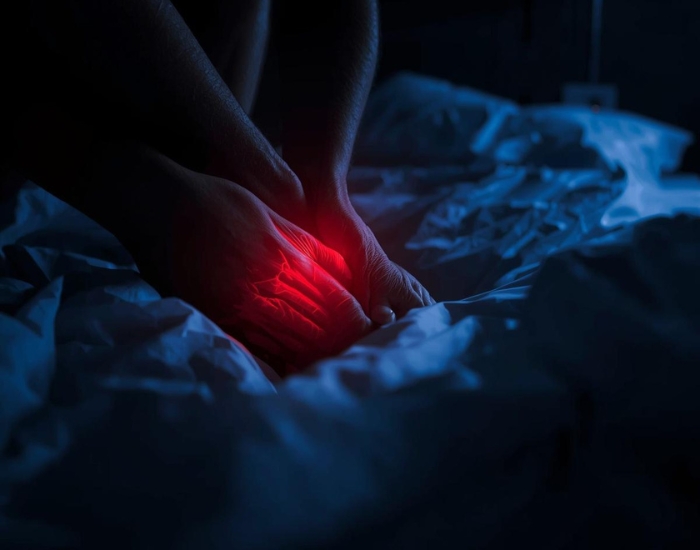
Waking up in the middle of the night with a sudden leg cramp can be both painful and deeply disruptive. One moment you are asleep, and the next, a sharp tightening sensation forces you awake. For many individuals, these episodes do not happen just once—they recur several times a week or even nightly, gradually affecting sleep quality, daytime energy, and overall well-being.
Although occasional leg cramps can be harmless and linked to temporary factors such as dehydration or muscle fatigue, persistent nighttime cramping deserves closer attention. Increasingly, clinicians recognize that frequent leg cramps may reflect underlying circulatory inefficiency rather than isolated muscle strain. When muscles repeatedly signal distress, the body may be pointing toward a deeper vascular concern.
Understanding the root cause is therefore essential. Rather than simply stretching the muscle and returning to sleep, identifying why the cramp occurs allows for more effective long-term management.
This article explores why nighttime leg cramps develop, how circulation influences muscle behavior, and why counterpulsation therapy (EECP) is being explored as a non-invasive option to support blood flow and potentially reduce recurring symptoms.
What Do Nighttime Leg Cramps Feel Like?
Nighttime leg cramps tend to be sudden and intense. Unlike mild muscle soreness, they often demand immediate attention because of their severity.
Individuals commonly describe them as:
- Abrupt, involuntary muscle tightening
- Sharp or stabbing pain in the calf, foot, or occasionally the thigh
- A visibly hardened or knotted muscle during the episode
- Stiffness that can last from several seconds to a few minutes
- Lingering soreness or tenderness after the cramp subsides
In many cases, the calf muscles are most affected. However, cramps can also occur in the feet or toes, sometimes causing the foot to point downward involuntarily.
Because these cramps frequently occur during rest—especially while lying flat—they often feel more intense and more disruptive. The sudden transition from relaxation to severe contraction amplifies the discomfort and makes returning to sleep difficult.
Over time, repeated nighttime awakenings can lead to fragmented sleep patterns, daytime fatigue, irritability, and reduced overall quality of life.
The Role of Circulation in Muscle Function
To understand why cramps develop, it is important to examine how muscles function under normal conditions. Muscles rely on a continuous supply of oxygen and nutrients delivered through the bloodstream. In addition, blood flow removes metabolic waste products generated during muscle activity.
When circulation functions efficiently, muscles contract and relax smoothly. However, when blood flow becomes limited—even subtly—muscle tissue may become more vulnerable to instability.
Reduced circulation can contribute to:
- Lower oxygen availability within muscle fibers
- Accumulation of metabolic byproducts
- Increased nerve sensitivity within the muscle
- Greater susceptibility to involuntary contractions
From a physiological standpoint, muscle cramps represent a sudden and uncontrolled contraction. If oxygen delivery is compromised or waste removal slows, the muscle may respond with heightened irritability.
Importantly, this connection highlights a broader principle: muscle health depends heavily on vascular health. When circulation improves, muscle stability often improves as well.
Why Cramps Often Occur at Night
Several factors contribute to the timing of these cramps:
- Decreased circulation during rest
- Prolonged inactivity
- Changes in muscle positioning
- Reduced overall blood flow to the legs
At night, when the body is less active, circulation slows slightly, which may exacerbate underlying inefficiencies.
Common Contributing Factors
Nighttime leg cramps may be associated with:
- Poor blood circulation
- Sedentary lifestyle
- Dehydration or electrolyte imbalance
- Muscle fatigue
- Chronic vascular conditions
These factors often interact, making it important to evaluate symptoms in a broader health context.
When Nighttime Cramps Become a Concern
Occasional cramps may not require medical attention. However, evaluation is recommended when cramps:
- Occur frequently or worsen over time
- Disrupt sleep regularly
- Are accompanied by numbness or tingling
- Interfere with daily comfort and mobility
Persistent symptoms may indicate underlying circulation issues that warrant further assessment.
Traditional Approaches to Management
Common strategies for managing leg cramps include:
- Stretching and hydration
- Adjusting sleep position
- Addressing nutritional factors
- Managing underlying health conditions
While helpful, these approaches may not fully address circulation-related causes.
Counterpulsation Therapy: Supporting Circulation and Muscle Function
Counterpulsation therapy (EECP) is a non-invasive treatment designed to improve blood flow throughout the body, including the lower extremities.
The therapy works by:
- Applying sequential compression to the legs
- Synchronizing with the heart’s rhythm
- Promoting efficient blood flow back toward the heart
Over time, this process may:
- Improve circulation to muscle tissue
- Enhance oxygen delivery
- Reduce frequency and intensity of cramps
- Support overall muscle function
From a functional perspective, EECP helps the body maintain healthier circulation patterns, even during periods of rest.
Clinical Observations and Patient Experience
Although EECP is widely used in cardiovascular care, its impact on circulation can influence symptoms such as leg cramps.
Patients often report:
- Reduced nighttime cramping
- Improved sleep quality
- Less muscle discomfort
- Better overall comfort in the legs
While results vary, these outcomes highlight the connection between circulation and muscle health.
The Patient Experience
EECP therapy is designed to be comfortable and accessible:
- Non-invasive and outpatient-based
- No anesthesia required
- Relaxed treatment sessions
- No downtime or recovery
This makes it a practical option for individuals seeking effective symptom relief without invasive procedures.
A Patient-Focused Approach to Circulation Health
At Emma Clare Med Spa, counterpulsation therapy is offered as part of a comprehensive approach to improving circulation and overall wellness.
The focus includes:
- Personalized consultations
- Evaluation of symptoms and lifestyle factors
- A comfortable and supportive environment
- Integration with broader health strategies
This reflects a modern healthcare model centered on patient comfort, function, and long-term well-being.
The Evolving Approach to Muscle and Circulation Health
Healthcare is increasingly recognizing the importance of circulation in maintaining muscle health and preventing symptoms like cramping.
Non-invasive therapies such as EECP represent a shift toward solutions that address underlying physiological function while prioritizing patient experience.
Final Thought
Cramping legs at night may seem like a minor issue, but frequent episodes can significantly affect sleep and quality of life. Understanding the role of circulation and exploring appropriate treatment options can help reduce symptoms and improve overall comfort.
Disclaimer: This content is for informational purposes only and does not constitute medical advice, diagnosis, or treatment. Counterpulsation therapy (EECP) is not a substitute for emergency care or standard medical treatment. Individuals experiencing severe or persistent symptoms should seek medical evaluation. Always consult a qualified healthcare provider to determine the most appropriate care for your condition.