Understanding Hyperpigmentation, Sun Spots, Acne Marks, Melasma & Modern Skin Brightening Treatments
Many people begin noticing dark spots, uneven patches, or discoloration on their face over time and wonder why their skin tone suddenly looks uneven or dull. Dark spots on the face are one of the most common skin concerns people search for today because pigmentation changes may affect confidence, makeup appearance, and overall skin clarity. Hyperpigmentation may develop gradually from sun exposure, acne scars, inflammation, hormonal changes, aging, or long-term skin irritation.
Table of Contents
- What Are Dark Spots on the Face?
- What Causes Dark Spots and Hyperpigmentation?
- Can Sun Exposure Cause Dark Spots?
- Can Acne Leave Dark Marks?
- What Is Melasma?
- How Aging Affects Skin Pigmentation
- Can Uneven Texture and Pigmentation Happen Together?
- Best Treatments for Dark Spots
- RF Microneedling for Skin Rejuvenation
- How to Prevent Dark Spots from Worsening
- FAQs About Dark Spots and Hyperpigmentation
- Disclaimer
What Are Dark Spots on the Face?
Dark spots are areas of skin that become darker than the surrounding skin because of excess pigment production. These spots may appear brown, tan, gray, or unevenly discolored depending on skin tone and the underlying cause.
Dark spots commonly appear on:
- Cheeks
- Forehead
- Nose
- Upper lip
- Jawline
- Acne-prone areas
Some dark spots are small and isolated, while others may appear as larger uneven patches across the face.
Patients interested in improving uneven pigmentation often explore skin rejuvenation and exfoliation treatments, anti-aging treatments in Stafford TX, and RF microneedling radio frequency treatment to support healthier and brighter-looking skin.
What Causes Dark Spots and Hyperpigmentation?
Several factors may trigger excess pigment production in the skin. In many cases, multiple causes contribute to hyperpigmentation at the same time.
- Sun exposure
- Acne inflammation
- Hormonal changes
- Aging
- Skin irritation
- Melasma
- Post-inflammatory pigmentation
- Picking at acne
- Environmental stress
- Heat exposure
Dark spots may develop gradually over time or appear after acne breakouts, skin irritation, or prolonged UV exposure.
Can Sun Exposure Cause Dark Spots?
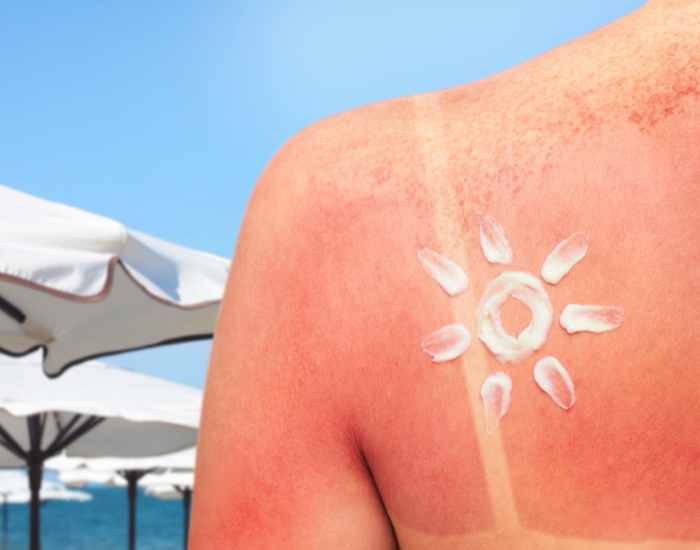
Yes. Sun exposure is one of the most common causes of dark spots and uneven skin tone. Ultraviolet radiation stimulates pigment-producing cells called melanocytes. Over time, repeated UV exposure may create sun spots, pigmentation patches, and uneven skin tone.
Sun-related pigmentation may contribute to:
- Brown spots
- Uneven complexion
- Sun damage
- Premature aging
- Rough skin texture
- Collagen breakdown
Daily sunscreen use may help reduce ongoing pigment stimulation and protect the skin from additional discoloration.
Can Acne Leave Dark Marks?
Yes. Acne commonly leaves behind dark marks known as post-inflammatory hyperpigmentation. These marks may remain visible long after active acne disappears because inflammation stimulates excess pigment production during healing.
Acne-related dark spots may become more noticeable when:
- Pimples are picked or squeezed
- Inflammation is severe
- Sun exposure increases pigmentation
- Skin healing is delayed
Patients concerned about acne-related texture and discoloration often also research the best non-surgical acne scar treatments because acne scars and pigmentation frequently occur together.
What Is Melasma?
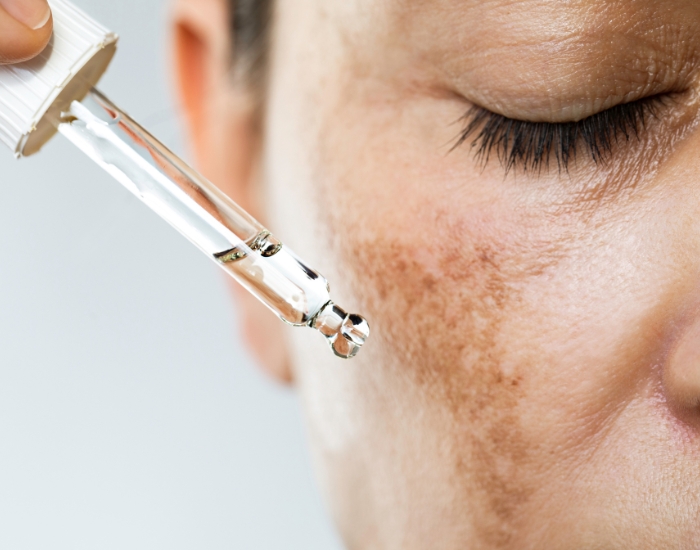
Melasma is a common skin condition that causes patchy brown or gray discoloration, especially on the cheeks, forehead, nose, and upper lip. Hormonal changes, heat exposure, and sun exposure commonly contribute to melasma development.
Melasma often becomes more noticeable during:
- Hormonal fluctuations
- Pregnancy
- Heat exposure
- Sun exposure
- Long-term UV damage
Managing melasma usually requires long-term skin protection and personalized treatment planning.
How Aging Affects Skin Pigmentation
As the skin ages, years of cumulative sun exposure and collagen decline may make pigmentation changes more noticeable. Aging skin may also become thinner, rougher, and more uneven in tone.
Age-related pigmentation concerns may include:
- Sun spots
- Dull complexion
- Uneven tone
- Rough texture
- Fine lines
- Discoloration patches
Many people who notice pigmentation changes also search for why skin texture becomes uneven because discoloration and rough texture often develop together.
Can Uneven Texture and Pigmentation Happen Together?
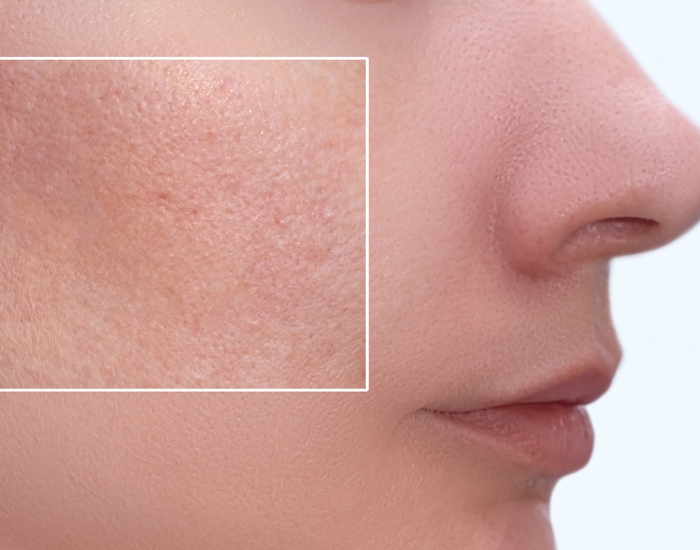
Yes. Uneven skin tone and rough texture commonly occur together because both may result from collagen loss, acne damage, sun exposure, and aging.
People may notice:
- Dark spots with rough patches
- Acne scars and discoloration
- Large pores with uneven tone
- Dull skin with pigmentation
Comprehensive skin rejuvenation plans often focus on both texture improvement and pigment correction simultaneously.
Best Treatments for Dark Spots
The best treatment depends on the cause of pigmentation, skin type, collagen levels, sensitivity, and overall skin condition.
Common pigmentation-focused treatments may include:
- RF microneedling
- Skin rejuvenation treatments
- Exfoliation-focused therapies
- Collagen stimulation treatments
- Hydration-focused skincare
- Medical-grade skincare
- Laser rejuvenation in selected cases
Professional evaluation is important because some pigmentation concerns require different treatment approaches depending on skin tone and sensitivity.
RF Microneedling for Skin Rejuvenation
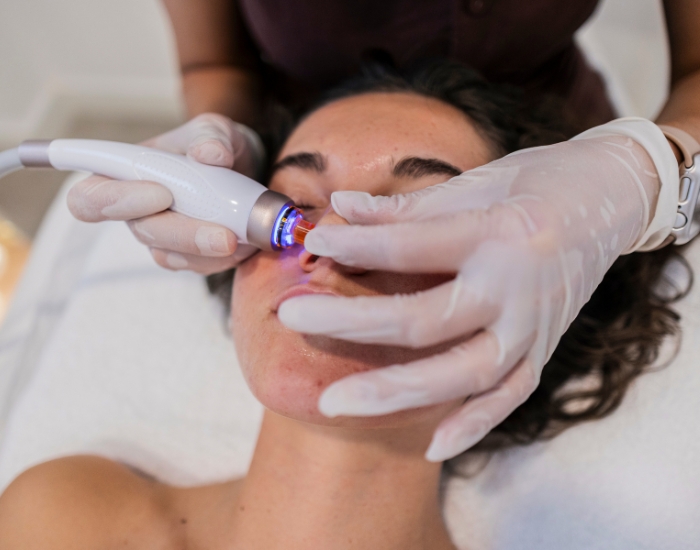
RF microneedling may help improve uneven skin tone and texture by stimulating collagen remodeling beneath the skin. Many patients choose RF microneedling because it may support smoother, firmer, and healthier-looking skin gradually over time.
This treatment may help improve:
- Post-acne discoloration
- Rough texture
- Large pores
- Fine lines
- Mild pigmentation irregularities
- Collagen support
Patients comparing rejuvenation options frequently review RF microneedling vs laser resurfacing to better understand treatment differences and recovery expectations.
Can Dark Spots Fade Naturally?
Some mild pigmentation may gradually fade over time, especially with sunscreen use and healthy skincare habits. However, deeper pigmentation, melasma, or long-standing discoloration often require professional treatment for more noticeable improvement.
How to Prevent Dark Spots from Worsening
Healthy skincare habits may help reduce future pigmentation and protect collagen health over time.
- Use sunscreen daily
- Avoid excessive sun exposure
- Do not pick acne lesions
- Maintain healthy hydration
- Use consistent skincare routines
- Reduce unnecessary skin irritation
- Consider collagen-supporting treatments early
People interested in long-term skin health often also explore whether RF microneedling can tighten loose skin because collagen decline may affect both pigmentation and skin firmness over time.
Why Choose Emma Clare Med Spa?
At Emma Clare Med Spa, patients from Stafford, Sugar Land, Houston, and surrounding communities receive personalized skin rejuvenation care focused on brighter skin tone, smoother texture, collagen support, and natural-looking results. Treatment plans are customized based on pigmentation concerns, skin sensitivity, collagen health, acne history, and individual goals.
Whether someone is exploring RF microneedling, exfoliation-focused skincare, pigmentation treatments, or collagen-supporting therapies for the first time, individualized consultation and professional evaluation help support balanced and safe treatment planning.
FAQs About Dark Spots and Hyperpigmentation
Why are dark spots suddenly appearing on my face?
Dark spots may develop because of sun exposure, acne inflammation, hormonal changes, aging, melasma, or skin irritation.
Can acne leave dark marks on the skin?
Yes. Acne commonly causes post-inflammatory hyperpigmentation, especially when inflammation is severe or acne lesions are picked.
Does sun exposure make dark spots worse?
Yes. UV exposure stimulates pigment production and may worsen discoloration over time.
Can RF microneedling help uneven skin tone?
RF microneedling may help improve collagen support, texture irregularities, and some pigmentation concerns gradually over time.
What is melasma?
Melasma is a pigmentation condition that commonly causes patchy brown or gray discoloration on the face.
Can dark spots fade naturally?
Some mild pigmentation may fade gradually, but deeper or long-standing discoloration often requires professional treatment for more noticeable improvement.
What treatment is best for dark spots?
The best treatment depends on the type of pigmentation, skin sensitivity, collagen health, and overall skin condition.
Schedule a Consultation
If dark spots, uneven skin tone, acne marks, or pigmentation concerns are becoming more noticeable, professional evaluation may help determine whether RF microneedling or another skin rejuvenation treatment may best fit your goals. Emma Clare Med Spa offers personalized pigmentation and skin rejuvenation care for patients in Stafford, Sugar Land, Houston, and surrounding communities.
Disclaimer
This blog is intended for educational and informational purposes only and should not be considered medical advice, diagnosis, or treatment recommendations. Individual skin conditions, pigmentation response, treatment suitability, and aesthetic outcomes may vary. Always consult with a qualified healthcare provider or licensed aesthetic professional before starting any cosmetic, skincare, resurfacing, or anti-aging treatment.
“`