
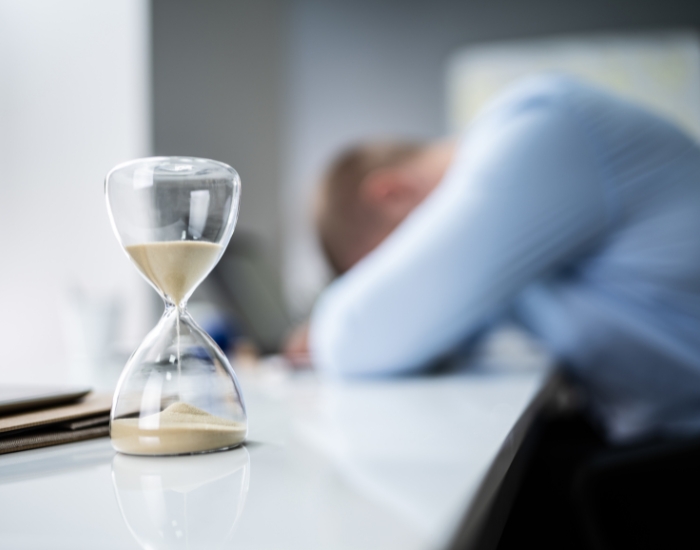
Persistent fatigue is one of the most commonly reported yet frequently overlooked symptoms in healthcare. Many individuals attribute constant tiredness to stress, aging, or lifestyle factors. However, when fatigue becomes ongoing and unexplained, it often reflects a deeper physiological imbalance—particularly in how the body delivers oxygen and nutrients.
In recent years, attention has shifted toward understanding fatigue not just as a lifestyle issue, but as a circulation and energy delivery problem. This article explores why people feel tired all the time and how counterpulsation therapy (EECP) is emerging as a supportive, non-invasive option for improving energy levels in appropriate individuals.
Understanding Persistent Fatigue
Fatigue is more than simply feeling sleepy. It is a sustained lack of physical or mental energy that does not improve with rest.
People often describe it as:
- Feeling drained even after a full night’s sleep
- Lack of motivation or physical stamina
- Difficulty completing routine tasks
- A constant sense of low energy throughout the day
From a clinical perspective, persistent fatigue can result from multiple factors, but one increasingly recognized contributor is inefficient circulation.
The Circulation–Energy Connection
Every cell in the body depends on oxygen and nutrients delivered through the bloodstream. When circulation is compromised, even slightly, the body may struggle to maintain optimal energy levels.
This can lead to:
- Reduced oxygen supply to muscles and organs
- Slower metabolic efficiency
- Increased physical exhaustion with minimal effort
- Mental fatigue and reduced focus
In this context, fatigue is not just a symptom—it is a signal that the body’s energy delivery system may not be functioning efficiently.
Why Fatigue Is Often Misunderstood
One of the challenges in addressing fatigue is its broad range of potential causes. It may be linked to:
- Cardiovascular inefficiency
- Reduced blood flow
- Sedentary lifestyle
- Stress and sleep disturbances
- Underlying medical conditions
Because of this complexity, fatigue is often treated symptomatically rather than systematically. However, addressing circulation as a root factor can offer a more comprehensive approach.
Moving Toward Non-Invasive Solutions
Traditional management of fatigue focuses on lifestyle changes, supplementation, and treating underlying conditions. While these approaches are important, they may not fully address circulation-related inefficiencies.
This has led to growing interest in therapies that aim to:
- Improve blood flow naturally
- Enhance oxygen delivery
- Support overall cardiovascular efficiency
- Increase functional energy levels
Among these, counterpulsation therapy has gained attention for its ability to support systemic circulation.
Counterpulsation Therapy: Supporting Energy Through Circulation
Counterpulsation therapy (EECP) is a non-invasive treatment designed to enhance blood flow throughout the body.
The therapy involves:
- Sequential compression of the lower extremities
- Synchronization with the heart’s rhythm
- Encouragement of blood return toward the heart
Over time, this process may:
- Improve overall circulation
- Enhance oxygen delivery to tissues
- Reduce workload on the heart
- Support more efficient energy utilization
From a physiological standpoint, improved circulation can contribute directly to increased energy levels and reduced fatigue.
Clinical Observations and Patient Experience
Although counterpulsation therapy is primarily used in cardiovascular care, patients often report broader improvements related to energy and daily function.
Commonly reported benefits include:
- Increased stamina throughout the day
- Reduced feelings of exhaustion
- Improved ability to perform routine activities
- Better recovery after physical exertion
While individual results vary, these observations highlight the connection between circulation and perceived energy levels.
The Practical Appeal of EECP Therapy
One of the reasons patients consider counterpulsation therapy is its non-invasive nature:
- No surgery or anesthesia
- Comfortable, outpatient-based sessions
- No downtime or recovery period
- Can be integrated into regular routines
This makes it a practical option for individuals seeking supportive care without significant lifestyle disruption.
When to Take Persistent Fatigue Seriously
Feeling tired occasionally is normal. However, ongoing fatigue should be evaluated when it:
- Persists despite adequate rest
- Interferes with daily life
- Occurs alongside shortness of breath or weakness
- Gradually worsens over time
Early assessment allows for identification of underlying causes and appropriate treatment planning.
A Modern Approach to Energy and Wellness
Today’s healthcare approach is increasingly focused on improving how patients feel—not just addressing disease. Persistent fatigue directly impacts quality of life, productivity, and overall well-being.
By addressing circulation and energy delivery, therapies like EECP represent a shift toward functional improvement and long-term wellness.
If ongoing fatigue is affecting your daily life, schedule a personalized consultation at Emma Clare Med Spa to explore whether circulation-focused therapies like EECP may be right for you.
Final Thought
Being “tired all the time” is not something to ignore or normalize. It is often the body’s way of signaling that something deeper needs attention.
Understanding the role of circulation and exploring appropriate, non-invasive treatment options can help individuals regain energy, improve daily performance, and enhance overall quality of life.
Disclaimer: This content is for informational purposes only and does not constitute medical advice, diagnosis, or treatment. Counterpulsation therapy (EECP) is not a substitute for emergency care or standard medical treatment. Individuals experiencing severe fatigue, chest pain, or other concerning symptoms should seek medical evaluation promptly. Always consult a qualified healthcare provider to determine the most appropriate care for your condition.