When a routine walk becomes uncomfortable, the body is often signaling something deeper. Chest pain during physical activity is not just a momentary inconvenience—it can reflect underlying circulatory inefficiencies that deserve careful attention. In modern cardiovascular care, the focus is increasingly shifting toward early recognition, non-invasive interventions, and long-term quality of life improvements.
This article explores what chest pain during walking may indicate, why it happens, and how counterpulsation therapy (EECP) is emerging as a supportive, non-invasive option for improving circulation in appropriate patients.
Why Chest Pain Appears During Activity
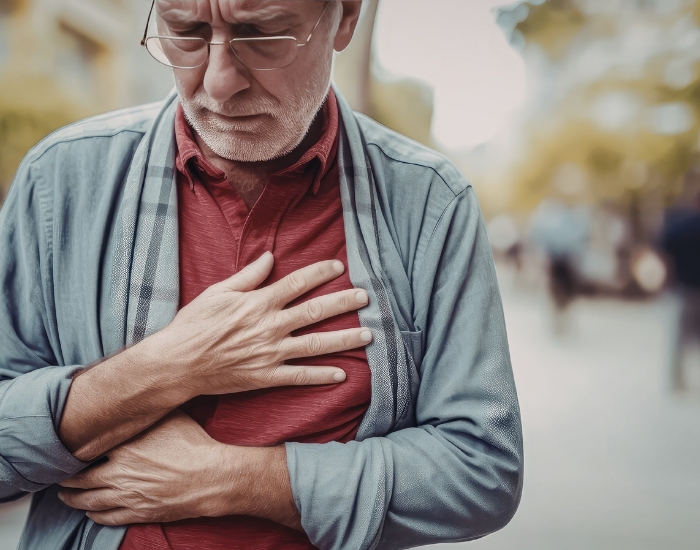
From a physiological standpoint, the heart requires more oxygen when the body is active. When walking or exerting effort, the demand for oxygen-rich blood increases. If the coronary arteries—the vessels supplying the heart—are narrowed or functioning inefficiently, the heart muscle may not receive adequate blood flow.
This mismatch between oxygen supply and demand can result in:
- Chest pressure or tightness
- Discomfort radiating to the arm, jaw, or back
- Shortness of breath
- Early fatigue during activity
Clinically, this is often associated with angina, a condition linked to reduced blood flow to the heart muscle.
The Broader Circulation Problem
While chest pain is a focal symptom, it is often part of a larger systemic issue—impaired circulation. Reduced vascular efficiency can affect not only the heart but also the legs, brain, and overall energy levels.
Patients frequently report overlapping symptoms such as:
- Fatigue after minimal exertion
- Leg discomfort while walking
- Reduced stamina
- A general sense of low energy
From a care perspective, these patterns suggest that improving circulation—not just treating isolated symptoms—can play a critical role in patient outcomes.
Rethinking Treatment: Beyond Medication and Surgery
Traditional management of circulation-related conditions may include medications, lifestyle changes, and in some cases, invasive procedures such as stenting or bypass surgery. However, not every patient is a candidate for invasive treatment, and many seek complementary or supportive options.
This is where non-invasive therapies have gained attention—particularly for patients who:
- Continue to experience symptoms despite medication
- Prefer to avoid surgical intervention
- Are not eligible for invasive procedures
- Seek improved functional capacity and quality of life
How Counterpulsation Therapy Works
Counterpulsation therapy, also known as Enhanced External Counterpulsation (EECP), is a non-invasive treatment designed to improve blood flow and reduce cardiac workload.
The process involves:
- Inflatable cuffs placed around the legs
- Sequential inflation and deflation synchronized with the heartbeat
- Gentle compression that promotes upward blood flow toward the heart
Over a series of sessions, this mechanism may:
- Enhance coronary circulation
- Improve oxygen delivery to heart tissue
- Encourage development of collateral blood vessels
- Reduce the heart’s workload during activity
From a systems perspective, EECP represents a shift toward mechanical support of natural circulation, rather than pharmacological or surgical intervention alone.
Evidence and Clinical Perspective
Counterpulsation therapy has been studied for decades, particularly in patients with chronic stable angina. Clinical observations suggest that many patients experience:
- Reduced frequency of chest pain episodes
- Improved exercise tolerance
- Better overall functional capacity
While outcomes vary, the therapy is recognized in cardiovascular care settings as a supportive option for selected patients, especially those with refractory symptoms.
Importantly, it is not positioned as a cure, but rather as part of a broader, integrated care strategy.
Patient Experience and Practical Considerations
One of the distinguishing aspects of EECP therapy is its accessibility and comfort:
- Non-invasive and outpatient-based
- No anesthesia or recovery downtime
- Sessions typically last about an hour
- Patients remain awake and relaxed during treatment
For many individuals, the appeal lies in its ability to fit into daily life without significant disruption.
When to Consider This Option
Patients who may explore counterpulsation therapy—after appropriate medical evaluation—often include those experiencing:
- Chest discomfort during walking or mild activity
- Shortness of breath with exertion
- Persistent fatigue linked to circulation issues
- Limited improvement with standard therapies
However, proper screening is essential to determine suitability.
A Local Approach to Advanced Circulation Care
For individuals in the Greater Houston and Stafford area, access to specialized, non-invasive therapies is becoming increasingly important. At Emma Clare Med Spa, counterpulsation therapy is offered as part of a broader focus on wellness, circulation support, and patient-centered care.
The approach emphasizes:
- Individualized consultation
- Careful assessment of symptoms and goals
- Integration with overall health strategies
- A comfortable, supportive treatment environment
By combining modern technology with a patient-focused philosophy, the goal is to help individuals improve functional capacity and overall well-being.
The Strategic Shift in Patient Care
Healthcare is evolving toward earlier intervention, non-invasive solutions, and quality-of-life outcomes. Counterpulsation therapy reflects this shift—bridging the gap between traditional cardiac care and emerging supportive therapies.
For patients experiencing early or persistent symptoms related to circulation, understanding available options is a critical first step.
Final Thought
Chest pain during walking should never be ignored. While it may stem from manageable circulation issues, it can also signal more serious underlying conditions. A proactive, informed approach—combined with appropriate medical guidance—can open the door to safer and more effective care pathways.
Disclaimer: This content is for informational purposes only and does not constitute medical advice, diagnosis, or treatment. Counterpulsation therapy (EECP) is not a substitute for emergency care or standard medical treatment. Individuals experiencing chest pain, severe shortness of breath, or other concerning symptoms should seek immediate medical attention. Always consult a qualified healthcare provider to determine the most appropriate care for your condition.