Understanding UV Damage, Premature Aging, Dark Spots, Rough Texture & Modern Skin Rejuvenation Treatments
Many people begin noticing dark spots, wrinkles, rough texture, uneven tone, or loose skin after years of sun exposure and wonder whether sun damaged skin can actually improve. Long-term ultraviolet exposure is one of the biggest causes of premature skin aging because UV rays gradually damage collagen, elastin, and healthy skin cells beneath the surface. Over time, this damage may cause pigmentation changes, wrinkles, skin laxity, dull complexion, and uneven skin texture.
Table of Contents
- What Is Sun Damaged Skin?
- How UV Rays Damage the Skin
- Common Signs of Sun Damage
- Can Sun Exposure Cause Premature Aging?
- Why Dark Spots and Pigmentation Develop
- How Sun Damage Affects Skin Texture
- How UV Damage Affects Collagen
- Best Treatments for Sun Damaged Skin
- RF Microneedling for Skin Rejuvenation
- How to Prevent Further Sun Damage
- FAQs About Sun Damaged Skin
- Disclaimer
What Is Sun Damaged Skin?
Sun damaged skin refers to skin changes caused by long-term exposure to ultraviolet radiation from the sun. UV exposure gradually weakens collagen, damages skin cells, and increases pigment production, leading to visible aging changes over time.
Sun damage may affect:
- Skin tone
- Skin texture
- Collagen levels
- Elasticity
- Pigmentation
- Wrinkle formation
- Skin firmness
Sun-related aging commonly affects the face, neck, chest, shoulders, and hands because these areas are exposed to sunlight most frequently.
Patients concerned about UV-related aging often explore skin rejuvenation and exfoliation treatments, RF microneedling radio frequency treatment, and anti-aging treatments in Stafford TX to improve collagen support and overall skin quality.
How UV Rays Damage the Skin
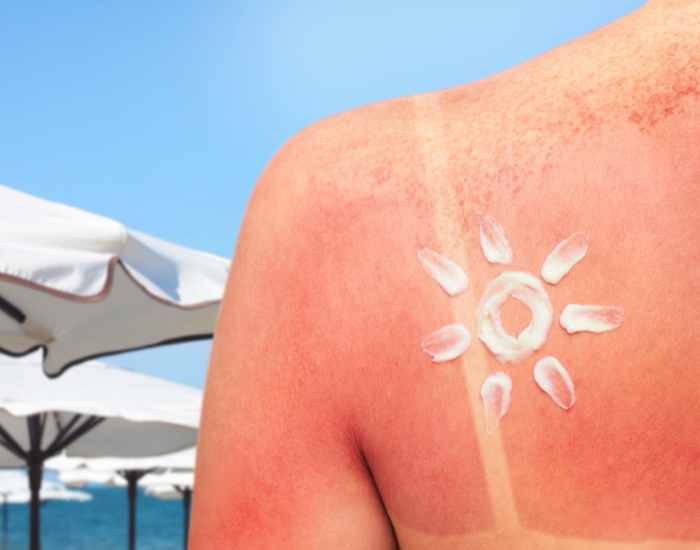
Ultraviolet rays penetrate the skin and gradually damage collagen, elastin, and healthy skin cells beneath the surface. This damage accumulates over time and may continue even when changes are not immediately visible.
Long-term UV exposure may contribute to:
- Collagen breakdown
- Wrinkles
- Dark spots
- Rough skin texture
- Loose skin
- Uneven skin tone
- Premature aging
- Skin thinning
People living in warm climates such as Houston and Stafford may experience increased cumulative UV exposure throughout the year.
Common Signs of Sun Damage
Sun damaged skin may appear differently depending on skin type, age, collagen levels, and years of exposure.
Common signs include:
- Dark spots
- Uneven skin tone
- Wrinkles and fine lines
- Rough texture
- Dull complexion
- Loose skin
- Enlarged pores
- Dryness
- Crepey skin appearance
Many people notice these changes gradually over several years.
Can Sun Exposure Cause Premature Aging?
Yes. Sun exposure is one of the leading causes of premature skin aging. Ultraviolet radiation accelerates collagen breakdown and weakens skin elasticity, causing wrinkles and skin laxity to develop earlier than expected.
Premature aging from UV exposure may include:
- Forehead wrinkles
- Smile lines
- Loose skin
- Sagging cheeks
- Uneven tone
- Dry texture
- Pigmentation patches
Patients concerned about facial aging often also research what causes sagging skin on the face because collagen decline and UV damage commonly contribute to skin laxity together.
Why Dark Spots and Pigmentation Develop
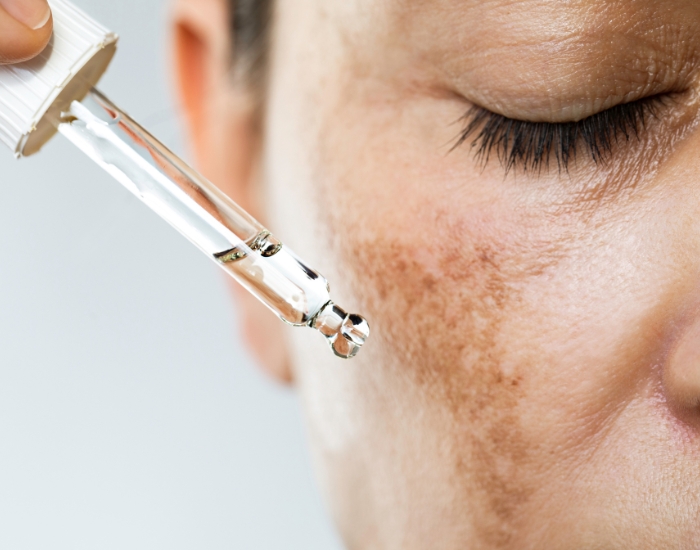
Sun exposure stimulates pigment-producing cells called melanocytes. When these cells become overactive from UV exposure, the skin may develop dark spots, sun spots, uneven pigmentation, or discoloration patches.
Hyperpigmentation commonly appears on:
- Cheeks
- Forehead
- Nose
- Upper lip
- Hands
- Chest
Patients concerned about discoloration frequently also explore why dark spots appear on the face because pigmentation changes often develop gradually after years of UV exposure.
How Sun Damage Affects Skin Texture
UV damage may cause the skin to become rough, uneven, dry, or less smooth over time. Collagen breakdown and dead skin buildup can affect how light reflects across the skin surface, making the complexion appear dull or textured.
Sun-related texture changes may include:
- Rough patches
- Large pores
- Fine lines
- Dryness
- Crepey skin
- Dull appearance
People with rough texture frequently research why skin texture becomes uneven because sun exposure commonly contributes to texture irregularities.
How UV Damage Affects Collagen
Collagen is one of the most important structural proteins responsible for maintaining skin firmness, smoothness, and elasticity. UV exposure weakens collagen fibers over time, causing the skin to lose support and resilience.
Collagen decline may contribute to:
- Wrinkles
- Loose skin
- Skin thinning
- Texture changes
- Fine lines
- Premature facial aging
Collagen-supporting treatments may help improve overall skin quality and firmness gradually over time.
Best Treatments for Sun Damaged Skin
The best treatment depends on the severity of pigmentation, collagen loss, skin laxity, rough texture, and overall skin condition.
Common sun damage treatments may include:
- RF microneedling
- Skin rejuvenation treatments
- Exfoliation-focused therapies
- Collagen stimulation procedures
- Hydration-focused skincare
- Medical-grade skincare
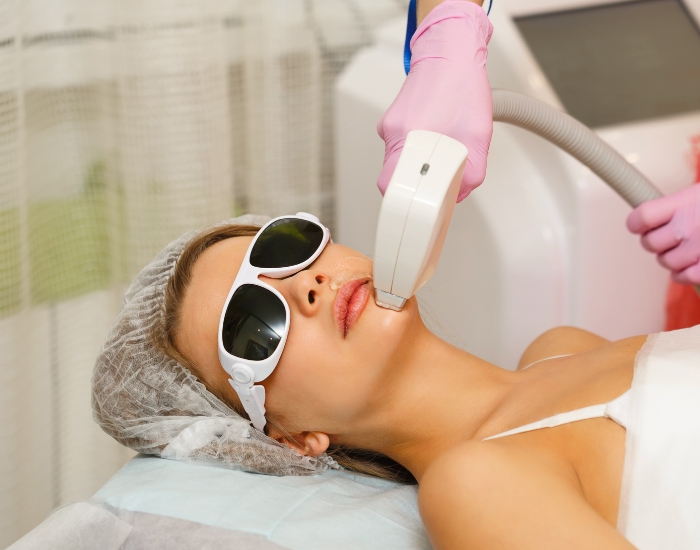
- Laser rejuvenation in selected cases
Professional evaluation is important because skin sensitivity, pigmentation concerns, and collagen levels vary between individuals.
RF Microneedling for Skin Rejuvenation
RF microneedling may help improve rough texture, collagen support, enlarged pores, mild pigmentation concerns, and early signs of sun-related aging. The treatment combines microneedling with radiofrequency energy to support collagen remodeling beneath the skin.
This treatment may help improve:
- Texture irregularities
- Fine lines
- Large pores
- Mild loose skin
- Overall skin quality
- Collagen support
Patients comparing rejuvenation options frequently review RF microneedling vs laser resurfacing to better understand resurfacing treatments and recovery expectations.
Can Sun Damaged Skin Improve Naturally?
Healthy skincare habits and sun protection may help support healthier skin over time, but moderate-to-severe UV damage often requires professional treatments for more visible improvement.
Helpful skin-support habits may include:
- Daily sunscreen use
- Hydration
- Healthy sleep habits
- Avoiding smoking
- Proper skincare routines
- Collagen-supporting treatments
How to Prevent Further Sun Damage
Protecting the skin from additional UV exposure is one of the most important ways to support collagen health and reduce future pigmentation changes.
- Use sunscreen daily
- Limit excessive sun exposure
- Wear protective clothing outdoors
- Stay hydrated
- Use healthy skincare routines
- Avoid tanning exposure
- Support collagen health early
People interested in broader anti-aging care often also explore whether RF microneedling tightens loose skin because collagen decline commonly affects both skin firmness and texture together.
Why Choose Emma Clare Med Spa?
At Emma Clare Med Spa, patients from Stafford, Sugar Land, Houston, and surrounding communities receive personalized skin rejuvenation care focused on brighter skin tone, collagen support, smoother texture, and natural-looking skin improvement. Treatment plans are customized based on pigmentation concerns, sun damage severity, collagen health, skin sensitivity, and individual aesthetic goals.
Whether someone is exploring RF microneedling, exfoliation-focused therapies, collagen stimulation procedures, or skin rejuvenation for the first time, individualized consultation and professional evaluation help support balanced and safe treatment planning.
FAQs About Sun Damaged Skin
What causes sun damaged skin?
Sun damaged skin develops from long-term ultraviolet exposure that gradually weakens collagen, damages skin cells, and increases pigmentation changes.
Can RF microneedling help sun damaged skin?
RF microneedling may help improve collagen support, rough texture, enlarged pores, and some early signs of sun-related aging.
Can dark spots from the sun fade naturally?
Some mild pigmentation may fade gradually, but long-standing sun spots often require professional treatment for more noticeable improvement.
Does sunscreen really help prevent wrinkles?
Daily sunscreen may help reduce UV-related collagen damage and slow premature aging changes.
Can sun exposure cause loose skin?
Yes. UV damage weakens collagen and elastin, which may contribute to skin laxity and premature sagging.
What treatment is best for sun damaged skin?
The best treatment depends on pigmentation, collagen loss, skin texture, and individual skin condition.
Can rough texture improve after sun damage?
Some patients notice gradual improvement in texture and skin quality with collagen-supporting rejuvenation treatments and healthy skincare habits.
Schedule a Consultation
If dark spots, rough texture, wrinkles, uneven skin tone, or signs of sun damage are becoming more noticeable, professional evaluation may help determine whether RF microneedling or another skin rejuvenation treatment may best fit your goals. Emma Clare Med Spa offers personalized anti-aging and sun-damage-focused skin care for patients in Stafford, Sugar Land, Houston, and surrounding communities.
Disclaimer
This blog is intended for educational and informational purposes only and should not be considered medical advice, diagnosis, or treatment recommendations. Individual skin conditions, collagen response, pigmentation concerns, treatment suitability, and aesthetic outcomes may vary. Always consult with a qualified healthcare provider or licensed aesthetic professional before starting any cosmetic, skincare, resurfacing, or anti-aging treatment.
“`