Understanding Wrinkle Relaxers, Dermal Fillers, Facial Volume Loss & Modern Non-Surgical Facial Rejuvenation Treatments
Many people interested in non-surgical facial rejuvenation hear about Botox and dermal fillers but are unsure which treatment actually addresses their concerns. One of the most common questions patients ask is whether Botox and fillers do the same thing or whether one treatment is better for wrinkles, loose skin, smile lines, or facial aging. Although Botox and fillers are both commonly used for anti-aging treatments, they work very differently and are designed to target different types of facial aging concerns.
Table of Contents
- What Is the Difference Between Botox and Fillers?
- What Does Botox Do?
- What Do Dermal Fillers Do?
- Which Treatment Is Better for Wrinkles?
- Which Treatment Helps Facial Volume Loss?
- Common Areas Treated with Botox and Fillers
- Can Botox and Fillers Look Natural?
- Can Botox and Fillers Be Combined?
- How Long Do Results Last?
- Who Is a Good Candidate?
- FAQs About Botox and Fillers
- Disclaimer
What Is the Difference Between Botox and Fillers?
The biggest difference between Botox and dermal fillers is that Botox relaxes muscles that create wrinkles, while fillers restore lost facial volume and support beneath the skin.
Botox is commonly used for:
- Forehead wrinkles
- Frown lines
- Crow’s feet
- Expression lines
Fillers are commonly used for:
- Smile lines
- Cheek volume loss
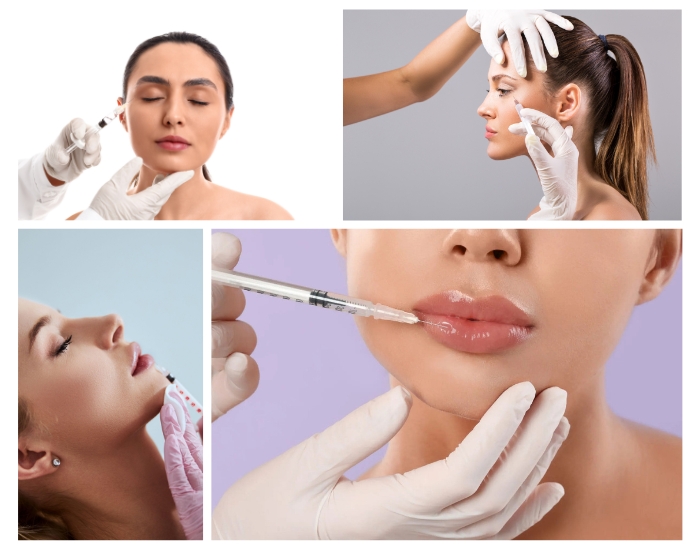
- Lip enhancement
- Under-eye hollowness
- Facial contouring
Both treatments may help support smoother and more refreshed-looking skin, but they target different causes of facial aging.
Patients interested in anti-aging rejuvenation often explore Botox and dermal fillers, anti-aging treatments in Stafford TX, and natural-looking Botox treatments to better understand facial rejuvenation options.
What Does Botox Do?
Botox works by temporarily relaxing targeted facial muscles responsible for repetitive facial expressions. When these muscles move less strongly, the skin folds less often, which may soften dynamic wrinkles over time.
Botox is commonly used to improve:
- Forehead lines
- Frown lines between the eyebrows
- Crow’s feet around the eyes
- Facial tension lines
Botox is most effective for dynamic wrinkles caused by repeated facial movement rather than volume loss.
Patients interested in wrinkle prevention often also research the best age to start preventative Botox because repeated muscle movement may gradually deepen wrinkles over time.
What Do Dermal Fillers Do?
Dermal fillers are designed to restore lost volume beneath the skin and improve facial contour, support, and smoothness. As collagen and facial fat naturally decline over time, some areas of the face may appear hollow, sagging, or less defined.
Fillers may help improve:
- Smile lines
- Cheek volume loss
- Lip fullness
- Under-eye hollowness
- Jawline definition
- Facial contour balance
Unlike Botox, fillers do not relax muscles. Instead, they help support areas affected by collagen decline and volume loss.
Which Treatment Is Better for Wrinkles?
The answer depends on the type of wrinkles present.
Botox is commonly better for:
- Forehead wrinkles
- Frown lines
- Crow’s feet
- Expression-related wrinkles
Fillers may be more useful for:
- Deep smile lines
- Facial folds
- Volume-related wrinkles
- Hollow facial areas
Some patients benefit most from combining both approaches depending on their facial anatomy and aging concerns.
Patients noticing deeper folds often also explore why smile lines become deeper because collagen loss and facial volume changes commonly contribute to fold formation.
Which Treatment Helps Facial Volume Loss?
Fillers are commonly used to address facial volume loss because they help restore support beneath the skin. Volume loss may occur naturally with aging as collagen, elastin, and facial fat gradually decline.
Common signs of facial volume loss include:
- Hollow cheeks
- Deep smile lines
- Under-eye hollowness
- Sagging facial appearance
- Loss of jawline definition
Patients concerned about skin laxity frequently also explore what causes sagging skin on the face because loose skin and volume loss commonly develop together.
Common Areas Treated with Botox and Fillers
Different facial areas are commonly treated depending on whether wrinkles or volume loss are the primary concern.
Common Botox areas:
- Forehead
- Between the eyebrows
- Around the eyes
Common filler areas:
- Cheeks
- Lips
- Smile lines
- Jawline
- Under-eyes
Professional evaluation helps determine which treatment may best fit each area and facial concern.
Can Botox and Fillers Look Natural?
Yes. Both Botox and fillers can look natural when treatments are customized carefully and conservatively. The goal of modern aesthetic care is usually to create balanced, refreshed, and subtle improvement rather than an overdone appearance.
Natural-looking results often depend on:
- Facial anatomy
- Proper treatment planning
- Balanced dosing
- Conservative approach
- Provider experience
Many patients today specifically request subtle and natural-looking rejuvenation rather than dramatic changes.
Can Botox and Fillers Be Combined?
Yes. Many patients combine Botox and fillers because facial aging commonly involves both wrinkles and volume loss simultaneously.
Combination treatment plans may help address:
- Wrinkles
- Facial folds
- Loose skin
- Volume loss
- Skin texture
- Overall facial balance
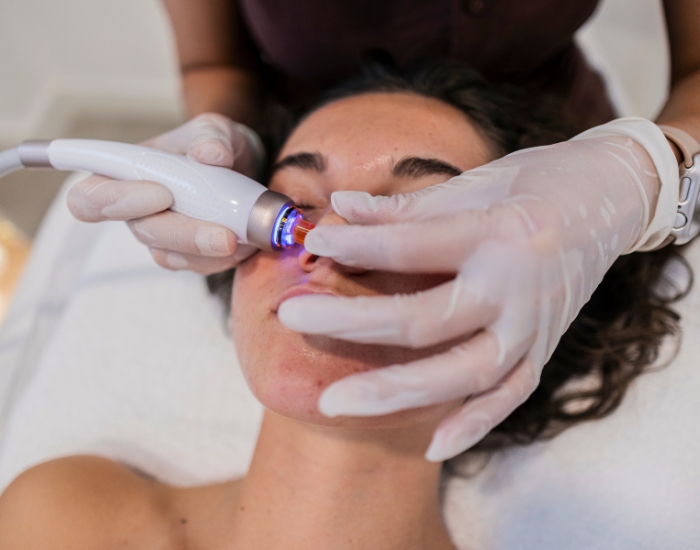
Patients interested in collagen-focused rejuvenation often also combine injectables with RF microneedling for skin tightening because collagen support may improve texture and firmness over time.
How Long Do Results Last?
Results vary depending on treatment type, facial movement, metabolism, collagen levels, and individual response.
Many patients choose maintenance treatments periodically to help maintain smoother and more refreshed-looking skin over time.
Patients interested in Botox longevity often also review how long Botox lasts because maintenance timing varies between individuals.
Who Is a Good Candidate?
Botox and fillers may be appropriate for individuals concerned about wrinkles, facial folds, volume loss, or early aging changes who want non-surgical facial rejuvenation.
Professional evaluation is important because:
- Facial anatomy differs
- Skin quality varies
- Collagen levels vary
- Aging patterns differ
- Treatment goals vary individually
Personalized consultation helps determine whether Botox, fillers, collagen stimulation treatments, or combined approaches may best fit the patient’s goals.
Why Choose Emma Clare Med Spa?
At Emma Clare Med Spa, patients from Stafford, Sugar Land, Houston, and surrounding communities receive personalized facial rejuvenation care focused on natural-looking results and long-term skin wellness. Treatment plans are customized based on facial anatomy, wrinkles, collagen health, volume loss, and individual aesthetic goals.
Whether someone is exploring Botox, fillers, RF microneedling, or broader anti-aging care for the first time, individualized consultation and professional evaluation help support balanced and safe treatment planning.
FAQs About Botox and Fillers
What is the difference between Botox and fillers?
Botox relaxes muscles that cause wrinkles, while fillers restore lost facial volume and support beneath the skin.
Is Botox better than fillers?
The best treatment depends on whether wrinkles or volume loss are the main concern. Some patients benefit from combining both.
Can fillers help forehead wrinkles?
Forehead wrinkles are commonly treated with Botox because they are usually caused by repeated muscle movement.
Do fillers make the face look unnatural?
When performed conservatively and correctly, fillers may create subtle and natural-looking facial rejuvenation.
Can Botox and fillers be combined?
Yes. Many patients combine both treatments because aging commonly affects wrinkles and volume at the same time.
Which treatment lasts longer?
Longevity varies depending on treatment type, metabolism, facial movement, and individual response.
Can RF microneedling be combined with Botox or fillers?
Some patients combine collagen-focused rejuvenation treatments with injectables as part of broader anti-aging treatment plans.
Schedule a Consultation
If wrinkles, facial folds, volume loss, or skin aging concerns are becoming more noticeable, professional evaluation may help determine whether Botox, fillers, RF microneedling, or another rejuvenation treatment may best fit your goals. Emma Clare Med Spa offers personalized anti-aging and facial rejuvenation care for patients in Stafford, Sugar Land, Houston, and surrounding communities.
Disclaimer
This blog is intended for educational and informational purposes only and should not be considered medical advice, diagnosis, or treatment recommendations. Individual skin conditions, collagen response, treatment suitability, and aesthetic outcomes may vary. Always consult with a qualified healthcare provider or licensed aesthetic professional before starting any cosmetic, injectable, skincare, or anti-aging treatment.