
Understanding Loose Facial Skin, Collagen Loss, Aging, Skin Laxity & Non-Surgical Skin Tightening Treatments
Many people begin noticing sagging skin on the face gradually over time and wonder why their cheeks, jawline, neck, or lower face suddenly appear less firm, less lifted, or more tired than before. Facial sagging commonly happens because collagen, elastin, and facial support structures naturally weaken with age. As skin loses elasticity and volume, areas of the face may begin to droop, creating looser skin, deeper folds, jowls, and an overall older appearance.
Table of Contents
- What Is Sagging Facial Skin?
- What Causes Facial Skin to Sag?
- How Collagen Loss Affects Skin Firmness
- Why Skin Sagging Happens with Age
- Can Sun Damage Make Sagging Worse?
- Can Weight Loss Cause Loose Facial Skin?
- Common Areas of Facial Sagging
- Best Treatments for Sagging Skin
- RF Microneedling for Skin Tightening
- How to Prevent Skin Sagging
- FAQs About Sagging Skin
- Disclaimer
What Is Sagging Facial Skin?
Sagging facial skin refers to loose or drooping skin that develops when the skin loses elasticity, collagen support, and structural firmness over time. Healthy skin normally stays firm because collagen and elastin fibers help maintain support beneath the surface. As these proteins decline with age, gravity and facial movement may gradually cause the skin to loosen and fold downward.
People commonly notice sagging around the cheeks, jawline, neck, mouth, and under-eye area. Some individuals describe their face as looking tired, hollow, heavy, or older than expected.
Patients exploring facial rejuvenation often research treatments such as anti-aging treatments in Stafford TX, RF microneedling radio frequency treatment, and skin rejuvenation and exfoliation treatments to improve collagen support and overall skin quality.
What Causes Facial Skin to Sag?
Several factors may contribute to facial sagging and loose skin. Aging is the most common reason, but environmental exposure, lifestyle habits, and genetics can accelerate skin laxity significantly.
- Natural collagen decline
- Loss of elastin fibers
- Sun exposure
- Smoking
- Rapid weight loss
- Stress
- Poor sleep
- Dehydration
- Genetics
- Hormonal changes
- Skin thinning
- Repeated facial movement
Many people begin noticing mild skin laxity in their 30s or 40s, while others may develop loose skin earlier due to sun damage or significant collagen loss.
How Collagen Loss Affects Skin Firmness
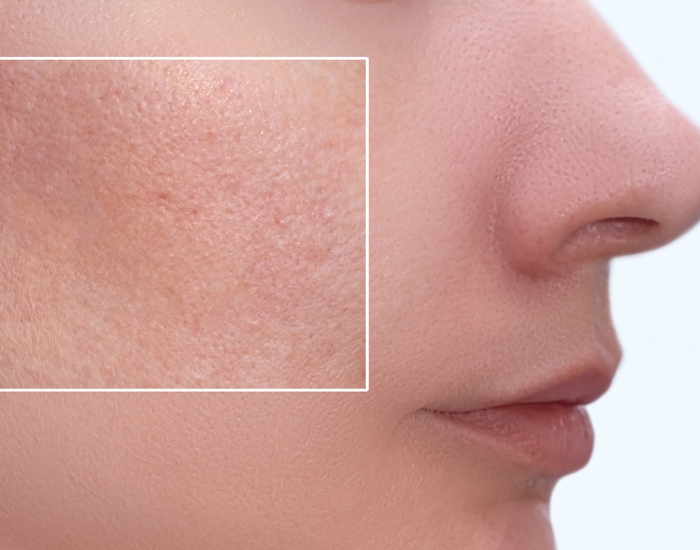
Collagen is one of the most important structural proteins in the skin. It helps maintain firmness, elasticity, and support throughout the face. As collagen naturally decreases over time, the skin becomes thinner, weaker, and less able to resist gravity and facial movement.
Collagen decline may contribute to:
- Loose cheeks
- Jowls
- Deep smile lines
- Wrinkles
- Skin laxity
- Neck sagging
- Loss of facial definition
Patients interested in collagen stimulation frequently explore natural-looking Botox treatments and RF microneedling because both may support a more refreshed appearance through different mechanisms.
Why Skin Sagging Happens with Age
As the face ages, several structural changes occur beneath the skin. Facial fat pads may shift downward, collagen weakens, elastin decreases, and skin becomes thinner. These combined changes may gradually reduce firmness and facial support.
People commonly notice:
- Drooping cheeks
- Loss of jawline definition
- Loose skin under the chin
- Deeper folds around the mouth
- Heavier lower face appearance
- Neck skin laxity
Facial sagging is one of the most common anti-aging concerns searched online today because people often want non-surgical options to restore firmness and smoother contours.
Can Sun Damage Make Sagging Worse?
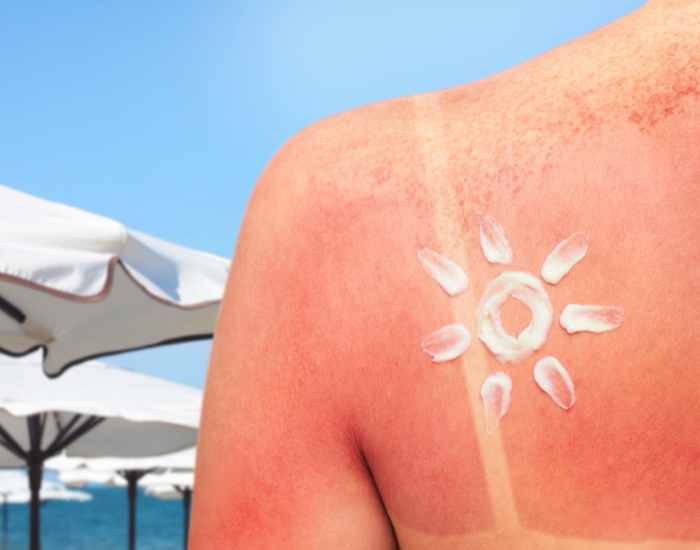
Yes. Long-term sun exposure is one of the biggest causes of premature skin aging and collagen breakdown. Ultraviolet radiation damages collagen and elastin fibers beneath the skin, weakening the skin’s support structure over time.
Sun damage may contribute to:
- Skin laxity
- Wrinkles
- Pigmentation
- Uneven texture
- Thinning skin
- Premature facial aging
Daily sunscreen use may help protect collagen and reduce further skin damage.
Can Weight Loss Cause Loose Facial Skin?
Yes. Significant or rapid weight loss may reduce facial fat volume and reveal loose skin that was previously less noticeable. Some people notice hollow cheeks, deeper folds, or increased skin laxity after losing weight.
This does not mean weight loss is unhealthy, but facial support changes may alter overall facial structure and skin tightness.
Patients concerned about facial volume changes often explore Botox vs fillers to better understand the difference between wrinkle relaxation and facial volume restoration.
Common Areas of Facial Sagging
Facial sagging may affect several areas of the face differently depending on collagen levels, genetics, and aging patterns.
- Cheeks
- Jawline
- Under the chin
- Neck
- Smile line area
- Under-eye area
- Mouth corners
Some people notice only mild skin laxity at first, while others may develop more visible sagging and deeper facial folds over time.
Best Treatments for Sagging Skin
The best treatment depends on skin quality, collagen loss, severity of sagging, facial anatomy, and individual goals. Some patients benefit mainly from collagen stimulation treatments, while others may require volume restoration or combination rejuvenation approaches.
Common non-surgical options may include:
- RF microneedling
- Skin tightening treatments
- Collagen stimulation therapies
- Dermal fillers
- Medical-grade skincare
- Hydration-focused treatments
- Laser rejuvenation in selected cases
RF Microneedling for Skin Tightening
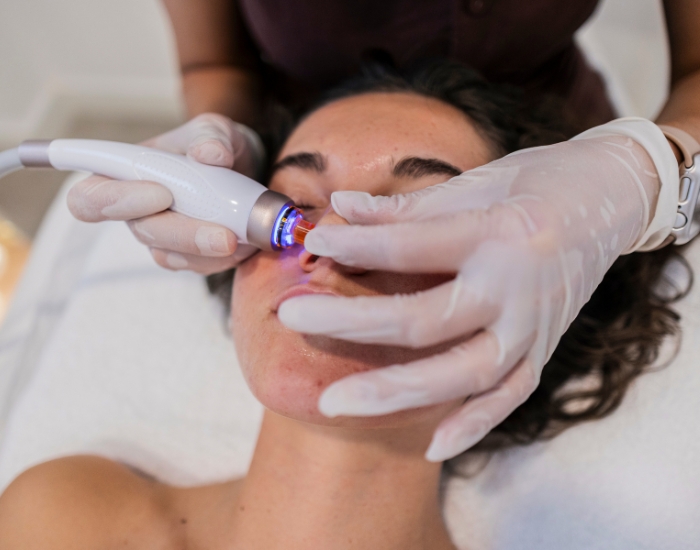
RF microneedling combines microneedling with radiofrequency energy to stimulate collagen beneath the skin. This treatment may help improve skin firmness, texture, fine lines, and mild-to-moderate skin laxity gradually over time.
Many patients choose RF microneedling because it is non-surgical and may support natural collagen remodeling without significant downtime.
Patients seeking facial rejuvenation often combine RF microneedling with skin rejuvenation and exfoliation treatments to improve overall skin tone and texture.
Can Sagging Skin Improve Naturally?
Healthy habits such as hydration, sunscreen use, proper nutrition, stress reduction, and consistent skincare may help support healthier skin. However, moderate-to-severe skin laxity often requires professional treatments to achieve more visible tightening and collagen improvement.
How to Prevent Skin Sagging
While aging cannot be completely stopped, healthy skin habits may help slow collagen decline and support better skin firmness over time.
- Use sunscreen daily
- Stay hydrated
- Avoid smoking
- Maintain healthy sleep habits
- Reduce excessive sun exposure
- Use quality skincare products
- Consider collagen-supporting treatments early
- Maintain balanced nutrition
People who notice loose facial skin often search related topics such as why smile lines get deeper because collagen loss commonly affects multiple facial areas simultaneously.
When Should You Consider Professional Treatment?
You may want to consider professional evaluation if loose skin, sagging cheeks, deeper folds, or jawline changes become more noticeable over time. Early treatment may allow for more gradual and natural-looking improvement compared with waiting until skin laxity becomes more advanced.
Why Choose Emma Clare Med Spa?
At Emma Clare Med Spa, patients from Stafford, Sugar Land, Houston, and nearby communities receive personalized aesthetic care focused on natural-looking rejuvenation and long-term skin wellness. Treatments are customized based on facial anatomy, skin condition, collagen health, and individual goals to help support smoother and healthier-looking skin.
Whether someone is exploring RF microneedling, skin tightening, collagen stimulation, or anti-aging treatments for the first time, individualized consultation and professional evaluation play an important role in building safe and balanced treatment plans.
FAQs About Sagging Skin
What causes facial skin to sag?
Facial sagging commonly happens because of collagen loss, elastin decline, aging, sun exposure, skin thinning, facial volume changes, and gravity.
Can RF microneedling tighten loose skin?
RF microneedling may help improve collagen production, skin firmness, texture, and mild-to-moderate skin laxity over time.
At what age does facial sagging usually begin?
Some people begin noticing mild skin laxity in their 30s, while others may experience more visible sagging later depending on genetics and lifestyle factors.
Can weight loss make facial sagging worse?
Rapid or significant weight loss may reduce facial fat volume, which can sometimes make loose skin more noticeable.
Can sunscreen help prevent sagging skin?
Daily sunscreen may help protect collagen from UV damage and slow premature skin aging.
What treatment is best for sagging skin?
The best treatment depends on skin condition, collagen loss, severity of laxity, and facial anatomy. Some patients benefit from RF microneedling, fillers, skin tightening, or combined rejuvenation approaches.
Can loose skin improve naturally?
Healthy habits may support skin health, but moderate or severe skin laxity often requires professional treatments for more noticeable improvement.
Schedule a Consultation
If loose skin, facial sagging, or loss of firmness are becoming more noticeable, professional evaluation may help identify the best treatment options for non-surgical facial rejuvenation. Emma Clare Med Spa offers personalized skin tightening and anti-aging care for patients in Stafford, Sugar Land, Houston, and surrounding communities.
Disclaimer
This blog is intended for educational and informational purposes only and should not be considered medical advice, diagnosis, or treatment recommendations. Individual results, treatment suitability, and aesthetic outcomes may vary from person to person. Always consult with a qualified healthcare provider or licensed aesthetic professional before starting any cosmetic, skincare, or anti-aging treatment.